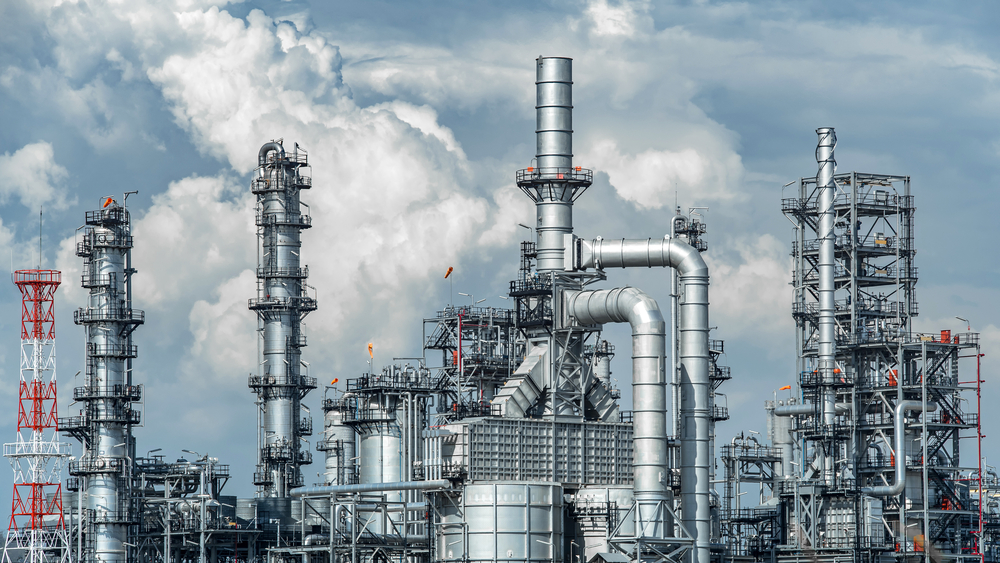
What Are Good Techniques to Detect a Gas Leak?
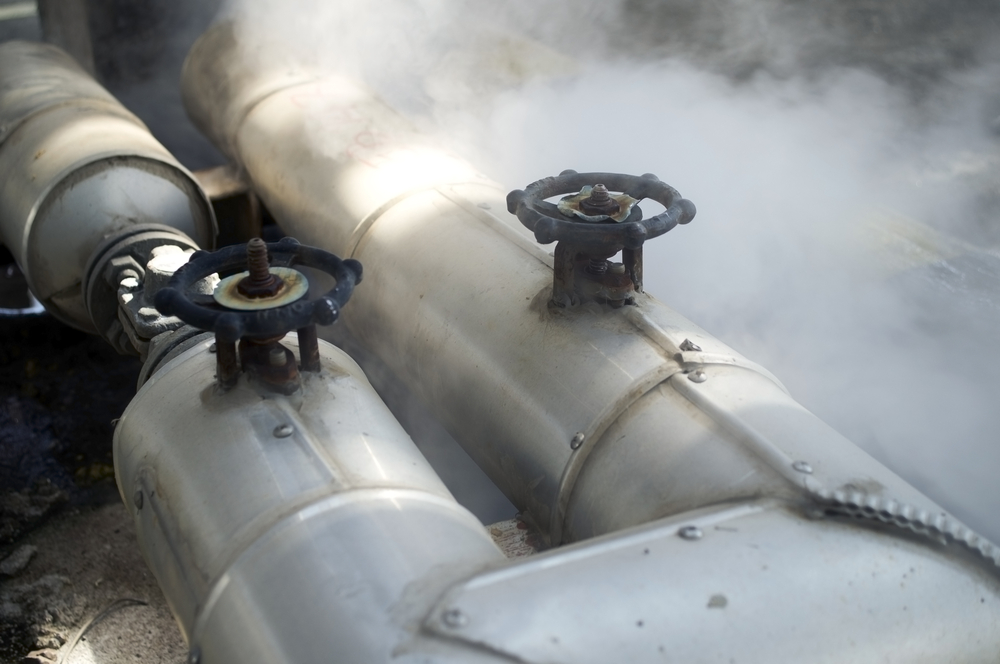
There is no surefire way to prevent a gas leak. Cracks in an incoming gas line or faulty equipment can lead to potential gas leaks. You and your employees must be able to detect a gas leak quickly, should one happen. Here is some extremely important information about techniques used to detect a gas leak and questions about gas leaks in general.
What Are Good Techniques to Detect a Gas Leak?
It is important to note that different gases may require specific detection techniques. Some gases are heavier than air and tend to accumulate in low-lying areas, while others are lighter and disperse more easily. Understanding the properties of the gas in question is crucial for choosing the most appropriate detection method. However, here are a few detection methods most commonly used when detecting a gas leak.
Smell
The sense of smell is one of the most powerful tools for detecting gas leaks. Many gases have distinct odors that can be easily recognized. For example, natural gas, commonly used for heating and cooking, has a strong rotten egg smell due to the addition of odorants for safety purposes. If you detect this pungent odor, it is essential to take immediate action. Leaving the area and notifying the relevant authorities or gas company is crucial to ensure safety.
Sound
In addition to relying on the sense of smell, listening for unusual sounds can also help in gas leak detection. Gas leaks can sometimes produce hissing or whistling sounds near the source of the leak. These sounds can occur when gas escapes a compromised pipe or connection point. If you hear such sounds, it is important not to ignore them. Investigate the source cautiously, and if necessary, contact professionals who can assess and repair the leak.
Physical Symptoms
Physical symptoms can provide valuable clues when it comes to detecting gas leaks. Certain gases can cause specific symptoms in humans. For example, exposure to carbon monoxide, a colorless and odorless gas, can lead to headaches, dizziness, nausea, and confusion. These symptoms may worsen with prolonged exposure. If you or others in your vicinity experience unexplained symptoms or feel unwell, it is crucial to consider the possibility of a gas leak and take immediate action to ensure everyone’s safety.
Gas Detection Mechanisms
The final way that you can detect a gas leak is through the use of gas detection mechanisms. Gas detectors are devices designed to sense and alert individuals to the presence of certain gases. They can be portable or permanently installed, depending on the specific requirements. Gas detectors use various technologies, such as electrochemical sensors, infrared sensors, or catalytic sensors, to detect different types of gases. These devices often have visual and audible alarms to ensure that people are promptly notified of potential gas leaks.
In addition to individual gas detectors, gas detection systems are used in commercial and industrial settings. These systems involve a network of sensors strategically placed to monitor large areas for gas leaks. They are often integrated with centralized control panels that provide real-time information about gas levels and can trigger alarms or automatically shut down systems in case of a leak. Gas detection systems are highly effective in preventing accidents and ensuring the safety of workers and the environment.
What Are the Dangers Associated with a Gas Leak?
You and your employees must be able to quickly identify a gas leak, as gas leaks can be extremely dangerous. As was mentioned above, gas leaks can make individuals ill or can even lead to death if the gas is inhaled for a prolonged period. Gas leaks can cause breathing issues, dizziness, ringing in the ears, or nosebleeds. As the gas is inhaled, it can lead to carbon monoxide poisoning, which can cause nausea, muscle fatigue, fatigue, and even death.
In addition to the physical issues that a gas leak can cause, a gas leak can also increase the chances of a flammable explosion. This can put you and your employees in danger and/or damage your building and any products or equipment stored in your commercial space.
How Do You Prevent Gas Leaks from Happening?
You cannot prevent every gas leak from happening. However, you can take steps to minimize the chances of a gas leak occurring. Having your gas lines regularly inspected and properly caring for, maintaining, and using equipment or machinery that uses natural gas can help reduce the chances of a gas leak.
What Should You Do If You Suspect or Know There is a Gas Leak?
If you suspect a gas leak, you should first shut off the gas line or gas supply. This helps to ensure no further gas can leak. If there are any windows where the gas leak is present, you should open those windows to ventilate the space. From there, you should evacuate the area or the building, keeping employees or customers away from the affected space. If the gas leak is in a building, you should evacuate the entire building. Once everyone is out of the building, contact your local natural gas supplier, the U.S. national gas emergency number at 1-800-892-2345, or 911. Any of these numbers can help put you in touch with individuals who can work to deal with a gas leak safely.
At Highmark Analytics, we sell equipment that can help you to detect gas leaks in your commercial or industrial spaces. We offer both fixed and portable units. We have over 20 years of experience in the industry, and our team of trained and experienced staff members can help you create a personalized gas detection system for your space and your employees. Call us today to learn more.